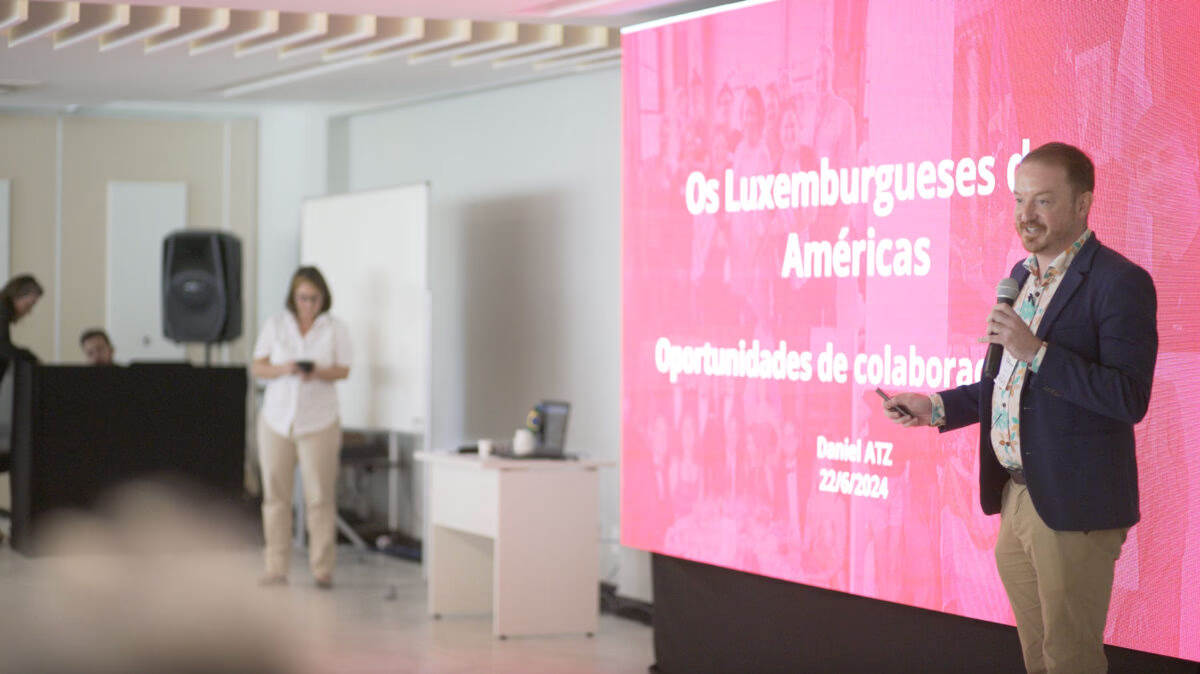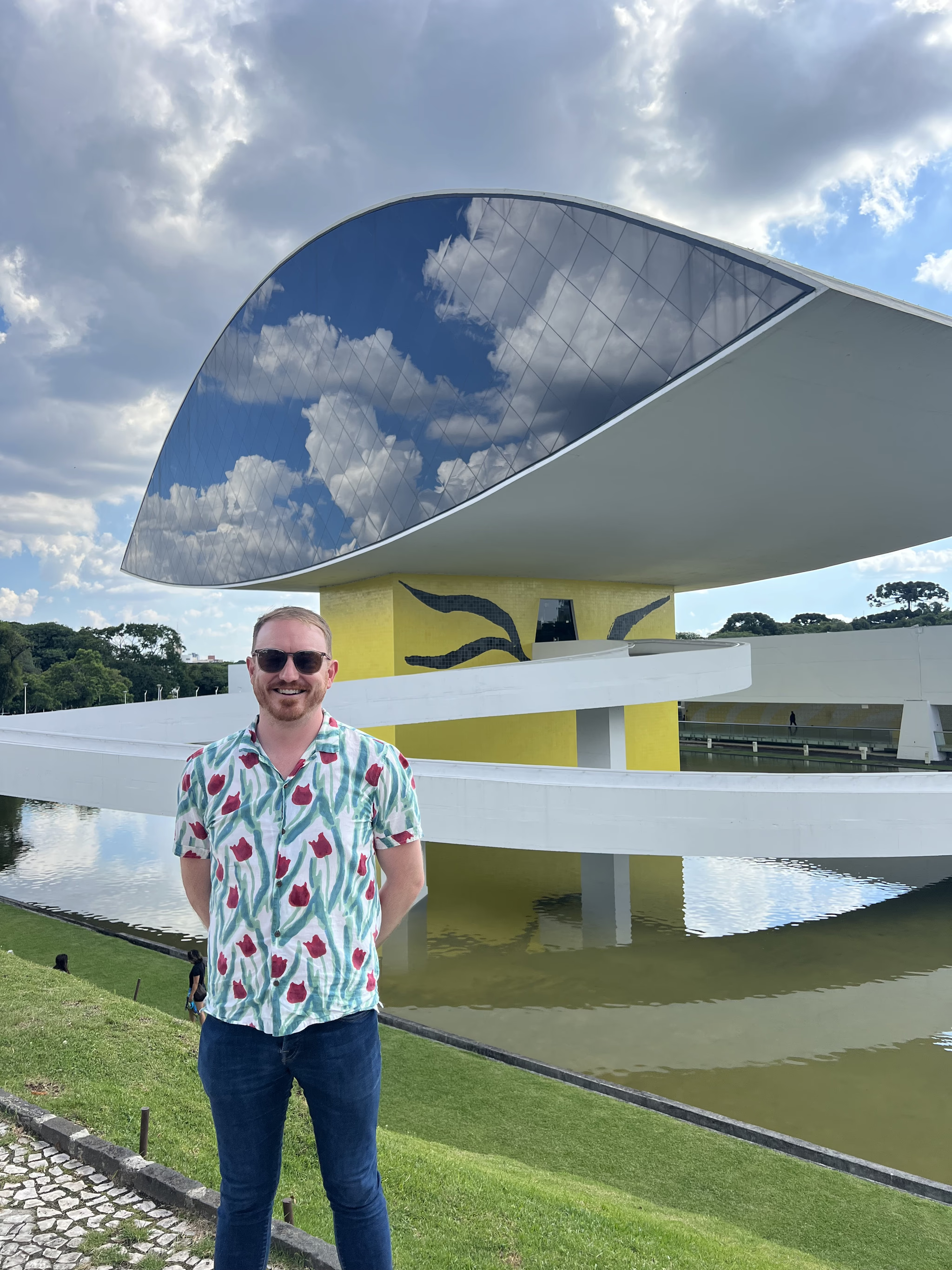





Daniel ATZ giving a presentation in Brazil

Published Jan 13, 2026

A Founder’s Story

Brazil has been part of my personal and professional trajectory far longer than StartBrazil itself.

My first encounter with the country dates back to 2014, when I visited Rio de Janeiro for the first time. What began as curiosity quickly became something more enduring. I returned to New York with a desire to understand Brazil not as a tourist, but as a place shaped by language, institutions, and people. I began studying Portuguese after work in New York as a way to learn more.

Later that same year, I obtained dual citizenship through ancestry in Luxembourg. That milestone fundamentally altered my relationship to mobility, identity, and long-term planning. Rather than viewing citizenship as a purely legal status, I began to understand it as a platform—one that enables deeper engagement with other countries, cultures, and markets.

In 2017, I began a new job in New York to work in international trade for the Belgian-American Chamber of Commerce, where I helped hundreds of Belgian startups expand into the U.S. market. That role deepened my understanding of cross-border operations, regulatory friction, and the very real gap between policy narratives and operational reality when it came to immigration.

Brazil has been part of my personal and professional trajectory far longer than StartBrazil itself.

My first encounter with the country dates back to 2014, when I visited Rio de Janeiro for the first time. What began as curiosity quickly became something more enduring. I returned to New York with a desire to understand Brazil not as a tourist, but as a place shaped by language, institutions, and people. I began studying Portuguese after work in New York as a way to learn more.

Later that same year, I obtained dual citizenship through ancestry in Luxembourg. That milestone fundamentally altered my relationship to mobility, identity, and long-term planning. Rather than viewing citizenship as a purely legal status, I began to understand it as a platform—one that enables deeper engagement with other countries, cultures, and markets.

In 2017, I began a new job in New York to work in international trade for the Belgian-American Chamber of Commerce, where I helped hundreds of Belgian startups expand into the U.S. market. That role deepened my understanding of cross-border operations, regulatory friction, and the very real gap between policy narratives and operational reality when it came to immigration.

Brazil has been part of my personal and professional trajectory far longer than StartBrazil itself.

My first encounter with the country dates back to 2014, when I visited Rio de Janeiro for the first time. What began as curiosity quickly became something more enduring. I returned to New York with a desire to understand Brazil not as a tourist, but as a place shaped by language, institutions, and people. I began studying Portuguese after work in New York as a way to learn more.

Later that same year, I obtained dual citizenship through ancestry in Luxembourg. That milestone fundamentally altered my relationship to mobility, identity, and long-term planning. Rather than viewing citizenship as a purely legal status, I began to understand it as a platform—one that enables deeper engagement with other countries, cultures, and markets.

In 2017, I began a new job in New York to work in international trade for the Belgian-American Chamber of Commerce, where I helped hundreds of Belgian startups expand into the U.S. market. That role deepened my understanding of cross-border operations, regulatory friction, and the very real gap between policy narratives and operational reality when it came to immigration.

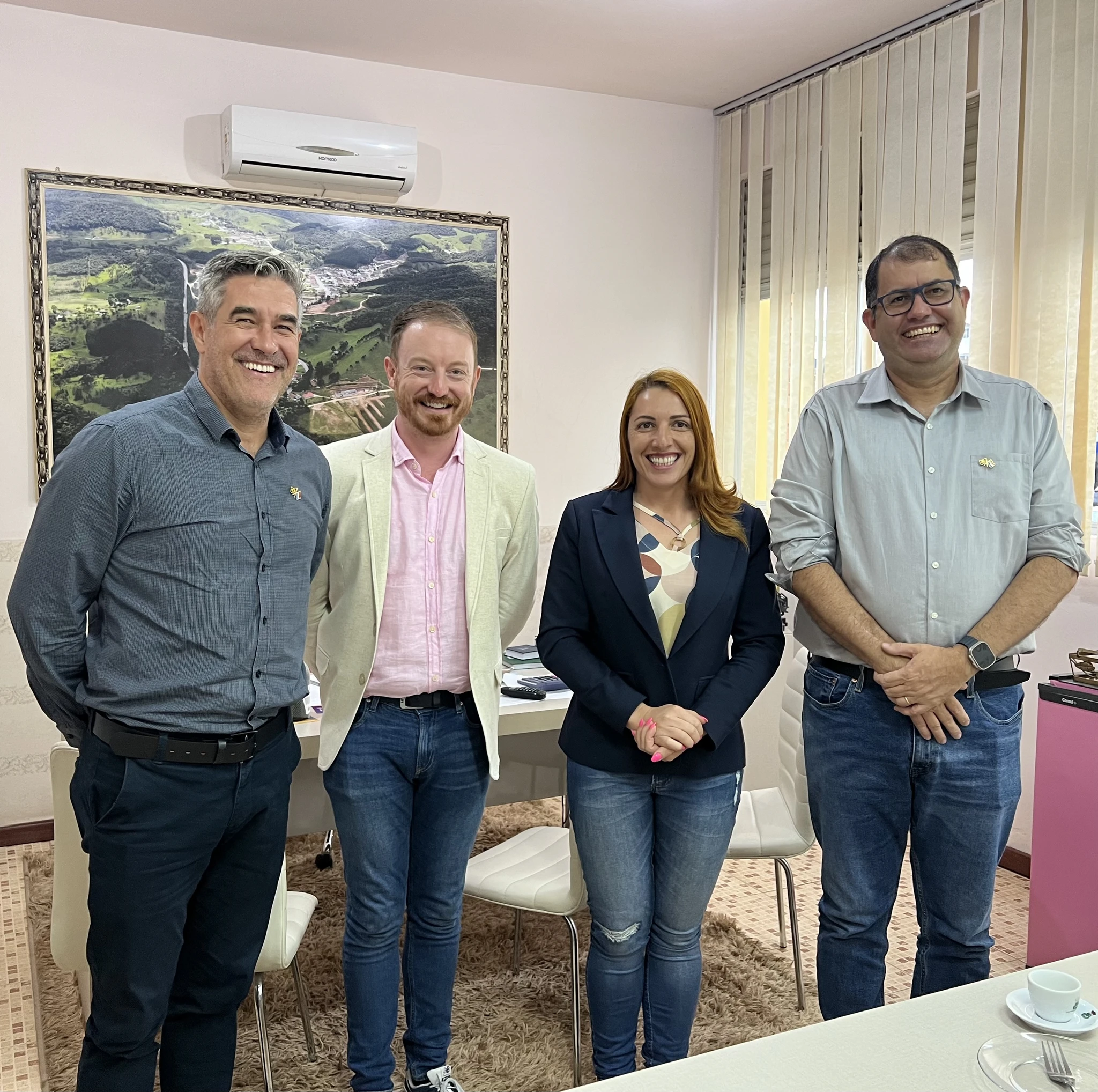
Daniel ATZ in brazil with startup officials

Discovering Brazil Through Its Diaspora

In 2018, I launched the largest data study and survey ever conducted on Luxembourg’s diaspora, which we expanded to Brazil for the first time. In 2023, I arrived in Florianópolis, Brazil, where our data showed the largest concentration of Luxembourg dual citizens by ancestry in the world. I had to learn why—and who—these new citizens of Luxembourg were.

The following three months would be some of the most exciting and fast-moving of my career up until that point. In the space of three months, I met hundreds, if not thousands, of people.

Through the Association of Luxembourg Citizens in Brazil, I became involved in what would become a historic moment: the first official visit by Luxembourg politicians to meet their new Brazilian dual citizens by descent—a population that had grown from under a thousand to over 20,000 in less than five years. This was unprecedented. Luxembourg had never before sent elected officials to engage directly with its overseas citizens in Brazil.

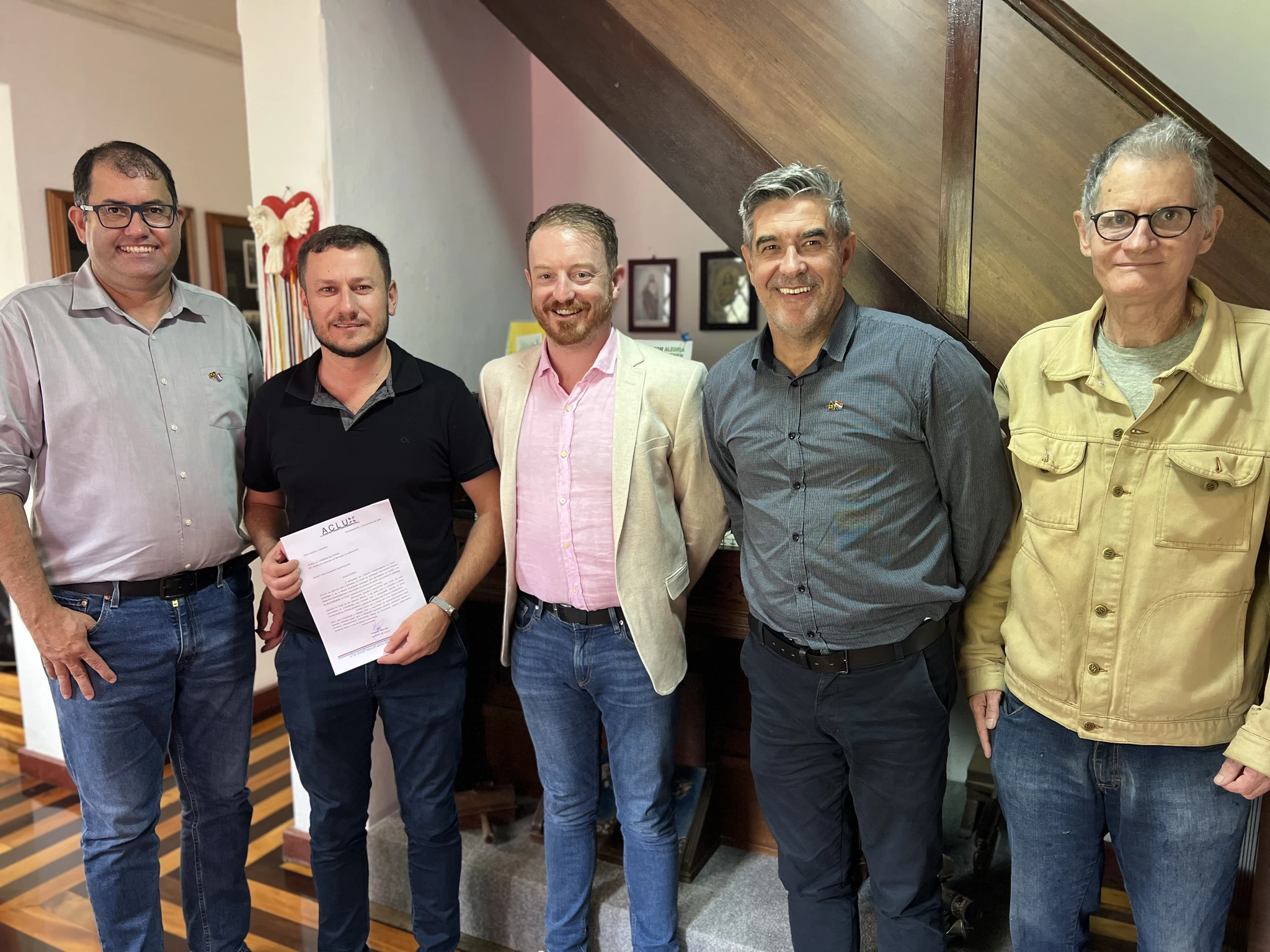
ACLUX Luxembourg Dual Citizen Event | Florianópolis, Brazil

During that period, I traveled extensively throughout Santa Catarina. I met mayors, state officials, representatives of technology parks, innovation hubs, and government ministries. I observed how local institutions functioned, how cities positioned themselves for foreign investment, and how Brazil’s startup ecosystem—particularly in Florianópolis—had positioned itself for global competitiveness.

Florianópolis quickly revealed itself as something distinct. It was not simply a pleasant coastal city. It was an innovation hub—often referred to locally as Silicon Island (Ilha do Silício)—with a concentration of startups, accelerators, universities, and public-private partnerships rarely found elsewhere in Brazil.

The culmination of that period was a public event where I spoke alongside the Governor of Santa Catarina and the Mayor of Florianópolis, in the presence of Luxembourg officials. The event generated significant media coverage in Luxembourg and marked a defining moment in my relationship with Brazil.

Discovering Brazil Through Its Diaspora

In 2018, I launched the largest data study and survey ever conducted on Luxembourg’s diaspora, which we expanded to Brazil for the first time. In 2023, I arrived in Florianópolis, Brazil, where our data showed the largest concentration of Luxembourg dual citizens by ancestry in the world. I had to learn why—and who—these new citizens of Luxembourg were.

The following three months would be some of the most exciting and fast-moving of my career up until that point. In the space of three months, I met hundreds, if not thousands, of people.

Through the Association of Luxembourg Citizens in Brazil, I became involved in what would become a historic moment: the first official visit by Luxembourg politicians to meet their new Brazilian dual citizens by descent—a population that had grown from under a thousand to over 20,000 in less than five years. This was unprecedented. Luxembourg had never before sent elected officials to engage directly with its overseas citizens in Brazil.

ACLUX Luxembourg Dual Citizen Event | Florianópolis, Brazil

During that period, I traveled extensively throughout Santa Catarina. I met mayors, state officials, representatives of technology parks, innovation hubs, and government ministries. I observed how local institutions functioned, how cities positioned themselves for foreign investment, and how Brazil’s startup ecosystem—particularly in Florianópolis—had positioned itself for global competitiveness.

Florianópolis quickly revealed itself as something distinct. It was not simply a pleasant coastal city. It was an innovation hub—often referred to locally as Silicon Island (Ilha do Silício)—with a concentration of startups, accelerators, universities, and public-private partnerships rarely found elsewhere in Brazil.

The culmination of that period was a public event where I spoke alongside the Governor of Santa Catarina and the Mayor of Florianópolis, in the presence of Luxembourg officials. The event generated significant media coverage in Luxembourg and marked a defining moment in my relationship with Brazil.

Discovering Brazil Through Its Diaspora

In 2018, I launched the largest data study and survey ever conducted on Luxembourg’s diaspora, which we expanded to Brazil for the first time. In 2023, I arrived in Florianópolis, Brazil, where our data showed the largest concentration of Luxembourg dual citizens by ancestry in the world. I had to learn why—and who—these new citizens of Luxembourg were.

The following three months would be some of the most exciting and fast-moving of my career up until that point. In the space of three months, I met hundreds, if not thousands, of people.

Through the Association of Luxembourg Citizens in Brazil, I became involved in what would become a historic moment: the first official visit by Luxembourg politicians to meet their new Brazilian dual citizens by descent—a population that had grown from under a thousand to over 20,000 in less than five years. This was unprecedented. Luxembourg had never before sent elected officials to engage directly with its overseas citizens in Brazil.

ACLUX Luxembourg Dual Citizen Event | Florianópolis, Brazil

During that period, I traveled extensively throughout Santa Catarina. I met mayors, state officials, representatives of technology parks, innovation hubs, and government ministries. I observed how local institutions functioned, how cities positioned themselves for foreign investment, and how Brazil’s startup ecosystem—particularly in Florianópolis—had positioned itself for global competitiveness.

Florianópolis quickly revealed itself as something distinct. It was not simply a pleasant coastal city. It was an innovation hub—often referred to locally as Silicon Island (Ilha do Silício)—with a concentration of startups, accelerators, universities, and public-private partnerships rarely found elsewhere in Brazil.

The culmination of that period was a public event where I spoke alongside the Governor of Santa Catarina and the Mayor of Florianópolis, in the presence of Luxembourg officials. The event generated significant media coverage in Luxembourg and marked a defining moment in my relationship with Brazil.

Acate building in Brazil

From Research to Responsibility

Following this period, my team and I conducted an even larger-scale demographic research project on the Luxembourgish diaspora in Brazil. We individually verified and analyzed data from over 650 Brazilian dual citizens, tracing family histories, migration patterns, education levels, professional backgrounds, and geographic concentration.

This research project evolved into both an interactive research report & book, international business network, and a proposed documentary film project. It also reinforced something that had become increasingly clear: Brazil is not merely a destination country—it is a country of opportunity for founders, investors, and globally minded professionals who understand how to navigate its systems and the vastness of the country.

Márcio May: Luxembourg Dual Citizen

Over the years, we hired a number of consultants, translators, and developers in Brazil for project work. During this time, I also expanded my connections within the technology ecosystem in Florianópolis, particularly with institutions such as ACATE, Sapiens Parque, and Impact Hub.

At the start of 2025, as I began working on a new innovation-driven spin-off of our business called Citizenship.eu, I naturally had the network I had built in Florianópolis in mind to develop the R&D component of the project.

While learning about what it meant to open a company in Brazil, I became aware of a visa called VITEM IX, which can be considered a form of startup investor visa. I also learned that the investment threshold in Brazilian reais for this innovation track was within reach for me as an entrepreneur. Moreover, when valued in Brazilian reais, the investment would allow for the hiring of multiple highly competent technical contributors.

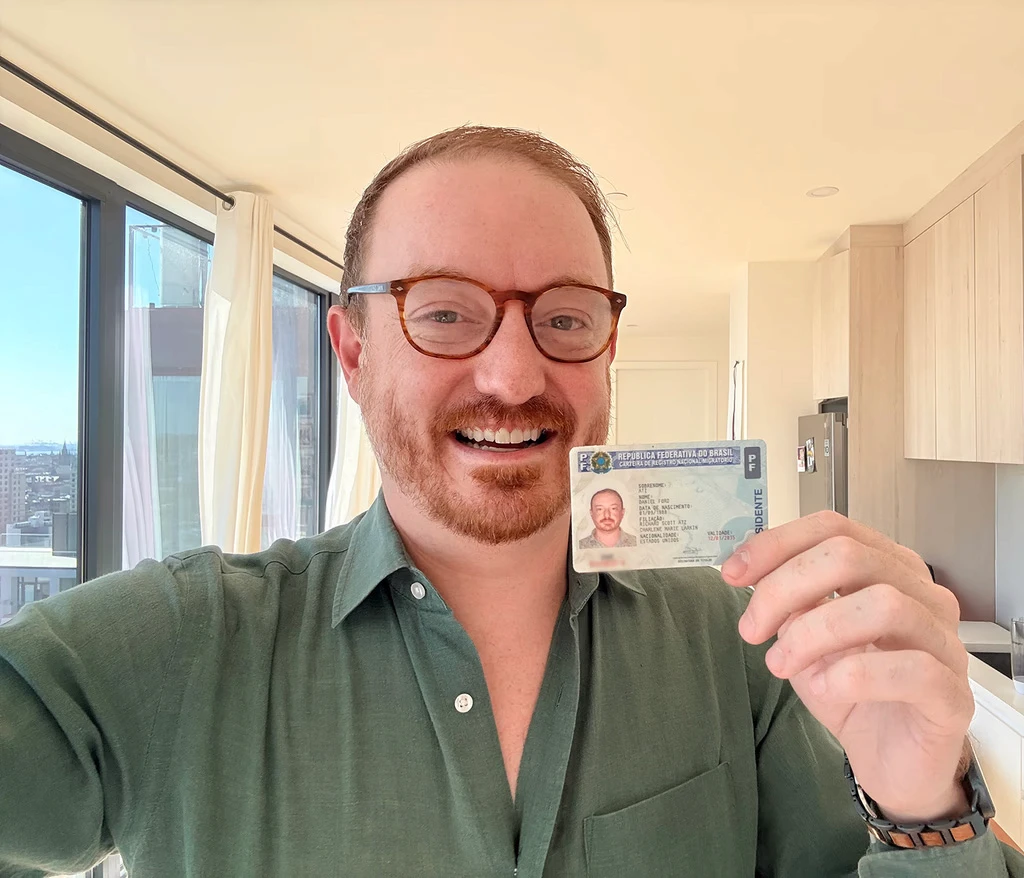
I committed to making my investment in Brazil to open an R&D wing within the framework of this law. In doing so, I would obtain permanent residency in Brazil—something I could one day pass on to future children as well. I knew this path, like my previous dual citizenship, would open up many unknown possibilities for my future.

But making this process a reality would be anything but straightforward.

From Research to Responsibility

Following this period, my team and I conducted an even larger-scale demographic research project on the Luxembourgish diaspora in Brazil. We individually verified and analyzed data from over 650 Brazilian dual citizens, tracing family histories, migration patterns, education levels, professional backgrounds, and geographic concentration.

This research project evolved into both an interactive research report & book, international business network, and a proposed documentary film project. It also reinforced something that had become increasingly clear: Brazil is not merely a destination country—it is a country of opportunity for founders, investors, and globally minded professionals who understand how to navigate its systems and the vastness of the country.

Márcio May: Luxembourg Dual Citizen

Over the years, we hired a number of consultants, translators, and developers in Brazil for project work. During this time, I also expanded my connections within the technology ecosystem in Florianópolis, particularly with institutions such as ACATE, Sapiens Parque, and Impact Hub.

At the start of 2025, as I began working on a new innovation-driven spin-off of our business called Citizenship.eu, I naturally had the network I had built in Florianópolis in mind to develop the R&D component of the project.

While learning about what it meant to open a company in Brazil, I became aware of a visa called VITEM IX, which can be considered a form of startup investor visa. I also learned that the investment threshold in Brazilian reais for this innovation track was within reach for me as an entrepreneur. Moreover, when valued in Brazilian reais, the investment would allow for the hiring of multiple highly competent technical contributors.

I committed to making my investment in Brazil to open an R&D wing within the framework of this law. In doing so, I would obtain permanent residency in Brazil—something I could one day pass on to future children as well. I knew this path, like my previous dual citizenship, would open up many unknown possibilities for my future.

But making this process a reality would be anything but straightforward.

From Research to Responsibility

Following this period, my team and I conducted an even larger-scale demographic research project on the Luxembourgish diaspora in Brazil. We individually verified and analyzed data from over 650 Brazilian dual citizens, tracing family histories, migration patterns, education levels, professional backgrounds, and geographic concentration.

This research project evolved into both an interactive research report & book, international business network, and a proposed documentary film project. It also reinforced something that had become increasingly clear: Brazil is not merely a destination country—it is a country of opportunity for founders, investors, and globally minded professionals who understand how to navigate its systems and the vastness of the country.

Márcio May: Luxembourg Dual Citizen

Over the years, we hired a number of consultants, translators, and developers in Brazil for project work. During this time, I also expanded my connections within the technology ecosystem in Florianópolis, particularly with institutions such as ACATE, Sapiens Parque, and Impact Hub.

At the start of 2025, as I began working on a new innovation-driven spin-off of our business called Citizenship.eu, I naturally had the network I had built in Florianópolis in mind to develop the R&D component of the project.

While learning about what it meant to open a company in Brazil, I became aware of a visa called VITEM IX, which can be considered a form of startup investor visa. I also learned that the investment threshold in Brazilian reais for this innovation track was within reach for me as an entrepreneur. Moreover, when valued in Brazilian reais, the investment would allow for the hiring of multiple highly competent technical contributors.

I committed to making my investment in Brazil to open an R&D wing within the framework of this law. In doing so, I would obtain permanent residency in Brazil—something I could one day pass on to future children as well. I knew this path, like my previous dual citizenship, would open up many unknown possibilities for my future.

But making this process a reality would be anything but straightforward.

The Problem No One Was Explaining

Once I discovered Brazil’s startup investment visa pathway (VITEM IX / RN 13), I knew the first step would be to find a local lawyer. Having advised on thousands of immigration cases during my career—both inbound to the U.S. (E-2, H-1B, EB-5, etc.) and outbound from the U.S. (EU dual citizenship)—I knew it was essential to work with someone who had a nuanced understanding of how this visa is administered in practice.

On paper, the pathway appeared straightforward. But experience had taught me that in immigration, what truly matters is how a government agency implements the law. What is written on paper is one thing; what happens in real life can be entirely different.

As an American citizen building my own company in Brazil, I encountered profound informational gaps after months of searching. Reliable guidance was scarce. Online explanations were fragmented, outdated, or inaccurate. Many professionals could describe isolated steps, but few understood the process end-to-end—particularly when it involved forming a company, opening accounts, registering foreign capital, complying with Central Bank requirements, and coordinating federal approvals.

The administrative friction extended beyond Brazil. There were particularities in my case: although I was registered in Brazil as a citizen of Luxembourg, I was advised to apply as an American citizen because I was a fiscal resident of the United States at the time of application.

Due to FATCA and other U.S. compliance rules, financial institutions in other countries often decline to open bank accounts for U.S. persons—or for business entities fully controlled by them. As a result, we were refused a bank account multiple times for the company I had opened in Brazil.

Even after navigating the unexpected steps required to open a business bank account, compliantly transferring funds from the United States to Brazil became one of the greatest obstacles. The “Know Your Customer” (KYC) procedures we had to undergo in Brazil were extensive, requiring proof of the origin of funds in the United States while remaining compliant with both U.S. and Brazilian regulations.

Getting my American bank to execute the transfer was so arduous that I had to visit multiple branches, call several call centers, and ultimately be recorded stating that I was aware the bank could not recover the funds after the transfer was made.

After completing the transfer, I discovered there was no dual taxation treaty between Brazil and the United States, leading me down a rabbit hole of concern that I had inadvertently exposed myself to years of double taxation.

Yet at every stage of the process, I learned that where there is a will, there is a way. Each of these challenges can be addressed. With even a modest understanding of what to expect in practice, this visa pathway can become remarkably straightforward—and a fast, cost-effective route to permanent residency in one of the largest and most diverse countries on the planet.

The Problem No One Was Explaining

Once I discovered Brazil’s startup investment visa pathway (VITEM IX / RN 13), I knew the first step would be to find a local lawyer. Having advised on thousands of immigration cases during my career—both inbound to the U.S. (E-2, H-1B, EB-5, etc.) and outbound from the U.S. (EU dual citizenship)—I knew it was essential to work with someone who had a nuanced understanding of how this visa is administered in practice.

On paper, the pathway appeared straightforward. But experience had taught me that in immigration, what truly matters is how a government agency implements the law. What is written on paper is one thing; what happens in real life can be entirely different.

As an American citizen building my own company in Brazil, I encountered profound informational gaps after months of searching. Reliable guidance was scarce. Online explanations were fragmented, outdated, or inaccurate. Many professionals could describe isolated steps, but few understood the process end-to-end—particularly when it involved forming a company, opening accounts, registering foreign capital, complying with Central Bank requirements, and coordinating federal approvals.

The administrative friction extended beyond Brazil. There were particularities in my case: although I was registered in Brazil as a citizen of Luxembourg, I was advised to apply as an American citizen because I was a fiscal resident of the United States at the time of application.

Due to FATCA and other U.S. compliance rules, financial institutions in other countries often decline to open bank accounts for U.S. persons—or for business entities fully controlled by them. As a result, we were refused a bank account multiple times for the company I had opened in Brazil.

Even after navigating the unexpected steps required to open a business bank account, compliantly transferring funds from the United States to Brazil became one of the greatest obstacles. The “Know Your Customer” (KYC) procedures we had to undergo in Brazil were extensive, requiring proof of the origin of funds in the United States while remaining compliant with both U.S. and Brazilian regulations.

Getting my American bank to execute the transfer was so arduous that I had to visit multiple branches, call several call centers, and ultimately be recorded stating that I was aware the bank could not recover the funds after the transfer was made.

After completing the transfer, I discovered there was no dual taxation treaty between Brazil and the United States, leading me down a rabbit hole of concern that I had inadvertently exposed myself to years of double taxation.

Yet at every stage of the process, I learned that where there is a will, there is a way. Each of these challenges can be addressed. With even a modest understanding of what to expect in practice, this visa pathway can become remarkably straightforward—and a fast, cost-effective route to permanent residency in one of the largest and most diverse countries on the planet.

The Problem No One Was Explaining

Once I discovered Brazil’s startup investment visa pathway (VITEM IX / RN 13), I knew the first step would be to find a local lawyer. Having advised on thousands of immigration cases during my career—both inbound to the U.S. (E-2, H-1B, EB-5, etc.) and outbound from the U.S. (EU dual citizenship)—I knew it was essential to work with someone who had a nuanced understanding of how this visa is administered in practice.

On paper, the pathway appeared straightforward. But experience had taught me that in immigration, what truly matters is how a government agency implements the law. What is written on paper is one thing; what happens in real life can be entirely different.

As an American citizen building my own company in Brazil, I encountered profound informational gaps after months of searching. Reliable guidance was scarce. Online explanations were fragmented, outdated, or inaccurate. Many professionals could describe isolated steps, but few understood the process end-to-end—particularly when it involved forming a company, opening accounts, registering foreign capital, complying with Central Bank requirements, and coordinating federal approvals.

The administrative friction extended beyond Brazil. There were particularities in my case: although I was registered in Brazil as a citizen of Luxembourg, I was advised to apply as an American citizen because I was a fiscal resident of the United States at the time of application.

Due to FATCA and other U.S. compliance rules, financial institutions in other countries often decline to open bank accounts for U.S. persons—or for business entities fully controlled by them. As a result, we were refused a bank account multiple times for the company I had opened in Brazil.

Even after navigating the unexpected steps required to open a business bank account, compliantly transferring funds from the United States to Brazil became one of the greatest obstacles. The “Know Your Customer” (KYC) procedures we had to undergo in Brazil were extensive, requiring proof of the origin of funds in the United States while remaining compliant with both U.S. and Brazilian regulations.

Getting my American bank to execute the transfer was so arduous that I had to visit multiple branches, call several call centers, and ultimately be recorded stating that I was aware the bank could not recover the funds after the transfer was made.

After completing the transfer, I discovered there was no dual taxation treaty between Brazil and the United States, leading me down a rabbit hole of concern that I had inadvertently exposed myself to years of double taxation.

Yet at every stage of the process, I learned that where there is a will, there is a way. Each of these challenges can be addressed. With even a modest understanding of what to expect in practice, this visa pathway can become remarkably straightforward—and a fast, cost-effective route to permanent residency in one of the largest and most diverse countries on the planet.

Daniel ATZ with Brazilian government officials

Why I Founded StartBrazil

StartBrazil exists because global mobility is life-changing, and I believe it should be accessible. Brazil has strong legislation in place for foreign investors seeking to establish a foothold in the country, and we believe our team has the knowledge and resources to make this a reality—both in Brazil and in our clients’ home countries.

These laws exist because Brazil is actively seeking foreign founders, investors, and globally mobile professionals. However, the infrastructure to support them coherently is still emerging.

StartBrazil exists because I have lived every stage of this process—from curiosity, to research, to institutional engagement, to operational execution.

StartBrazil is not an abstract platform. It is the result of a decade-long relationship with Brazil, grounded in language, policy, research, and lived experience.

Our mission is simple: to build bridges that make Brazil intelligible, credible, and accessible for those who are serious about building there. My goal is to share my lived experience, the expertise of my Brazilian teammates in the U.S. and Luxembourg, and our wider network of legal and strategic partners in Brazil to help you succeed in your journey in the Global South.

Contar connosco.

Why I Founded StartBrazil

StartBrazil exists because global mobility is life-changing, and I believe it should be accessible. Brazil has strong legislation in place for foreign investors seeking to establish a foothold in the country, and we believe our team has the knowledge and resources to make this a reality—both in Brazil and in our clients’ home countries.

These laws exist because Brazil is actively seeking foreign founders, investors, and globally mobile professionals. However, the infrastructure to support them coherently is still emerging.

StartBrazil exists because I have lived every stage of this process—from curiosity, to research, to institutional engagement, to operational execution.

StartBrazil is not an abstract platform. It is the result of a decade-long relationship with Brazil, grounded in language, policy, research, and lived experience.

Our mission is simple: to build bridges that make Brazil intelligible, credible, and accessible for those who are serious about building there. My goal is to share my lived experience, the expertise of my Brazilian teammates in the U.S. and Luxembourg, and our wider network of legal and strategic partners in Brazil to help you succeed in your journey in the Global South.

Contar connosco.

Why I Founded StartBrazil

StartBrazil exists because global mobility is life-changing, and I believe it should be accessible. Brazil has strong legislation in place for foreign investors seeking to establish a foothold in the country, and we believe our team has the knowledge and resources to make this a reality—both in Brazil and in our clients’ home countries.

These laws exist because Brazil is actively seeking foreign founders, investors, and globally mobile professionals. However, the infrastructure to support them coherently is still emerging.

StartBrazil exists because I have lived every stage of this process—from curiosity, to research, to institutional engagement, to operational execution.

StartBrazil is not an abstract platform. It is the result of a decade-long relationship with Brazil, grounded in language, policy, research, and lived experience.

Our mission is simple: to build bridges that make Brazil intelligible, credible, and accessible for those who are serious about building there. My goal is to share my lived experience, the expertise of my Brazilian teammates in the U.S. and Luxembourg, and our wider network of legal and strategic partners in Brazil to help you succeed in your journey in the Global South.

Contar connosco.

Start Your Journey
to Brazil Today

Join the growing movement of people securing Brazilian residency. Limited capacity in our inaugural program means early access is essential for priority consideration.

Rio de Janeiro Eagle eye picture
Brazilian people working for a startup, using a laptop in a coffee shop
Rio de Janeiro beach, with multiple surfboards on the picture
Cristo Rei from Rio de Janeiro

Secure Your
Path to Brazil

Connecting entrepreneurs with Brazilian opportunities through VITEM IX investor visa program. Your gateway to permanent residency in Latin America's most innovative ecosystem.

Headquarters

Connaissance Solutions LLC

500 7th Ave, Flr 8
New York, NY 10018

United States

email

info@startbrazil.com

phone number

+1 (646) 466-5058

Start Brazil Logo - White

Secure Your Path to Brazil

Connecting entrepreneurs with Brazilian opportunities through VITEM IX investor visa program. Your gateway to permanent residency in Latin America's most innovative ecosystem.

Headquarters

Connaissance Solutions LLC

500 7th Ave, Flr 8
New York, NY 10018

United States

email

info@startbrazil.com

phone number

+1 (646) 466-5058

Start Brazil Logo - White

Secure Your Path to Brazil

Connecting entrepreneurs with Brazilian opportunities through VITEM IX investor visa program. Your gateway to permanent residency in Latin America's most innovative ecosystem.

Headquarters

Connaissance Solutions LLC

500 7th Ave, Flr 8
New York, NY 10018

United States

email

info@startbrazil.com

phone number

+1 (646) 466-5058

Start Brazil Logo - White