
Published Jan 14, 2026
Brazil’s Double Taxation Treaties: Where They Exist, and Where They Don’t
For those interested in Brazil as a potential entrepreneurial destination, it’s important to be aware of the tax implications for foreign investments. One important caveat is the double taxation agreement (also known as the double taxation treaty).
Brazil has double taxation agreements in place with a select number of countries. In this guide, we break down double taxation agreements, as well as which countries Brazil does and does not have such agreements with, implications for foreign investors, and more.
For those interested in Brazil as a potential entrepreneurial destination, it’s important to be aware of the tax implications for foreign investments. One important caveat is the double taxation agreement (also known as the double taxation treaty).
Brazil has double taxation agreements in place with a select number of countries. In this guide, we break down double taxation agreements, as well as which countries Brazil does and does not have such agreements with, implications for foreign investors, and more.
For those interested in Brazil as a potential entrepreneurial destination, it’s important to be aware of the tax implications for foreign investments. One important caveat is the double taxation agreement (also known as the double taxation treaty).
Brazil has double taxation agreements in place with a select number of countries. In this guide, we break down double taxation agreements, as well as which countries Brazil does and does not have such agreements with, implications for foreign investors, and more.


A Closer Look: The Double Taxation Agreement
This kind of bilateral agreement between states is designed to avoid double taxation of income or capital and promote cross-border trade and investment, while combating tax evasion. DTAs must always comply with EU law, according to the rule of the Court of Justice of the European Union (CJEU), though the agreements are managed by the countries themselves.
Here’s where Brazil comes into play and where people interested in diversifying through the Brazil innovation scene should pay attention.
Brazil has a limited network of double taxation agreements (DTAs) compared to OECD (Convention on the Organization for Economic Co-operation and Development) countries. This directly affects U.S. investors and expatriates.
A Closer Look: The Double Taxation Agreement
This kind of bilateral agreement between states is designed to avoid double taxation of income or capital and promote cross-border trade and investment, while combating tax evasion. DTAs must always comply with EU law, according to the rule of the Court of Justice of the European Union (CJEU), though the agreements are managed by the countries themselves.
Here’s where Brazil comes into play and where people interested in diversifying through the Brazil innovation scene should pay attention.
Brazil has a limited network of double taxation agreements (DTAs) compared to OECD (Convention on the Organization for Economic Co-operation and Development) countries. This directly affects U.S. investors and expatriates.
A Closer Look: The Double Taxation Agreement
This kind of bilateral agreement between states is designed to avoid double taxation of income or capital and promote cross-border trade and investment, while combating tax evasion. DTAs must always comply with EU law, according to the rule of the Court of Justice of the European Union (CJEU), though the agreements are managed by the countries themselves.
Here’s where Brazil comes into play and where people interested in diversifying through the Brazil innovation scene should pay attention.
Brazil has a limited network of double taxation agreements (DTAs) compared to OECD (Convention on the Organization for Economic Co-operation and Development) countries. This directly affects U.S. investors and expatriates.
Countries Brazil Has Double Taxation Agreements With (as of 2025)
Here is a breakdown of the countries that still have these bilateral agreements in place with Brazil:
Argentina
Austria
Belgium
Canada
Chile
China
Czech Republic
Denmark
Ecuador
Finland
France
Hungary
India
Israel
Italy
Japan
Luxembourg
Mexico
Netherlands
Norway
Peru
Philippines
Portugal
Russia
Singapore
Slovakia
South Africa
South Korea
Spain
Sweden
Switzerland
Trinidad & Tobago
Turkey
Ukraine
United Arab Emirates
Uruguay
Venezuela
Countries Brazil Has Double Taxation Agreements With (as of 2025)
Here is a breakdown of the countries that still have these bilateral agreements in place with Brazil:
Argentina
Austria
Belgium
Canada
Chile
China
Czech Republic
Denmark
Ecuador
Finland
France
Hungary
India
Israel
Italy
Japan
Luxembourg
Mexico
Netherlands
Norway
Peru
Philippines
Portugal
Russia
Singapore
Slovakia
South Africa
South Korea
Spain
Sweden
Switzerland
Trinidad & Tobago
Turkey
Ukraine
United Arab Emirates
Uruguay
Venezuela
Countries Brazil Has Double Taxation Agreements With (as of 2025)
Here is a breakdown of the countries that still have these bilateral agreements in place with Brazil:
Argentina
Austria
Belgium
Canada
Chile
China
Czech Republic
Denmark
Ecuador
Finland
France
Hungary
India
Israel
Italy
Japan
Luxembourg
Mexico
Netherlands
Norway
Peru
Philippines
Portugal
Russia
Singapore
Slovakia
South Africa
South Korea
Spain
Sweden
Switzerland
Trinidad & Tobago
Turkey
Ukraine
United Arab Emirates
Uruguay
Venezuela
The United States and Brazil: Tax Agreement Status
Foreign investors should be aware that the United States does not currently have a DTA in place with Brazil. Without this formal agreement in place, there is no formal protection from double taxation like there would be for, say, someone from Argentina investing in a Brazilian startup.
Note, however, that the United States, as well as the United Kingdom and Germany, do have Brazilian authority recognition in place for the reciprocity of tax treatment.
This arrangement offsets the taxes paid in those countries against the taxes due in Brazil on the same earnings. It has its limitations but is worth noting.

The United States and Brazil: Tax Agreement Status
Foreign investors should be aware that the United States does not currently have a DTA in place with Brazil. Without this formal agreement in place, there is no formal protection from double taxation like there would be for, say, someone from Argentina investing in a Brazilian startup.
Note, however, that the United States, as well as the United Kingdom and Germany, do have Brazilian authority recognition in place for the reciprocity of tax treatment.
This arrangement offsets the taxes paid in those countries against the taxes due in Brazil on the same earnings. It has its limitations but is worth noting.
The United States and Brazil: Tax Agreement Status
Foreign investors should be aware that the United States does not currently have a DTA in place with Brazil. Without this formal agreement in place, there is no formal protection from double taxation like there would be for, say, someone from Argentina investing in a Brazilian startup.
Note, however, that the United States, as well as the United Kingdom and Germany, do have Brazilian authority recognition in place for the reciprocity of tax treatment.
This arrangement offsets the taxes paid in those countries against the taxes due in Brazil on the same earnings. It has its limitations but is worth noting.


Practical Implications for Foreign Investors
One thing you should definitely note if you’re coming from the U.S. with the intention to invest in a Brazilian entity: Americans are always exposed to potential double taxation, unless you are shielded by U.S. foreign tax credits.
Furthermore, Brazil taxes global income once you become a resident, unless you perform a formal fiscal exit through the Brazilian Federal Revenue (Receita Federal).
The bottom line? No DTA = greater importance of:
Proper residency planning
Classification of income
Treaty shopping via holding jurisdictions (Delaware, Cayman, Luxembourg)
Why Brazil Has Limited Double Taxation Treaties
In comparison to the DTA networks of other large economies, like the United Kingdom’s network reaching more than 130 countries, people often wonder why Brazil seems to fall short.
The answer is complicated, but Brazil historically used a tax model different from OECD standards, making negotiations difficult. It wasn’t until 2017 that Brazil formally submitted an application to join the OECD.
Modernization is ongoing but relatively slow in Brazil, making it all the more important for U.S. investors with their sights set on Brazil’s innovation scene to be aware of the risk of double taxation.
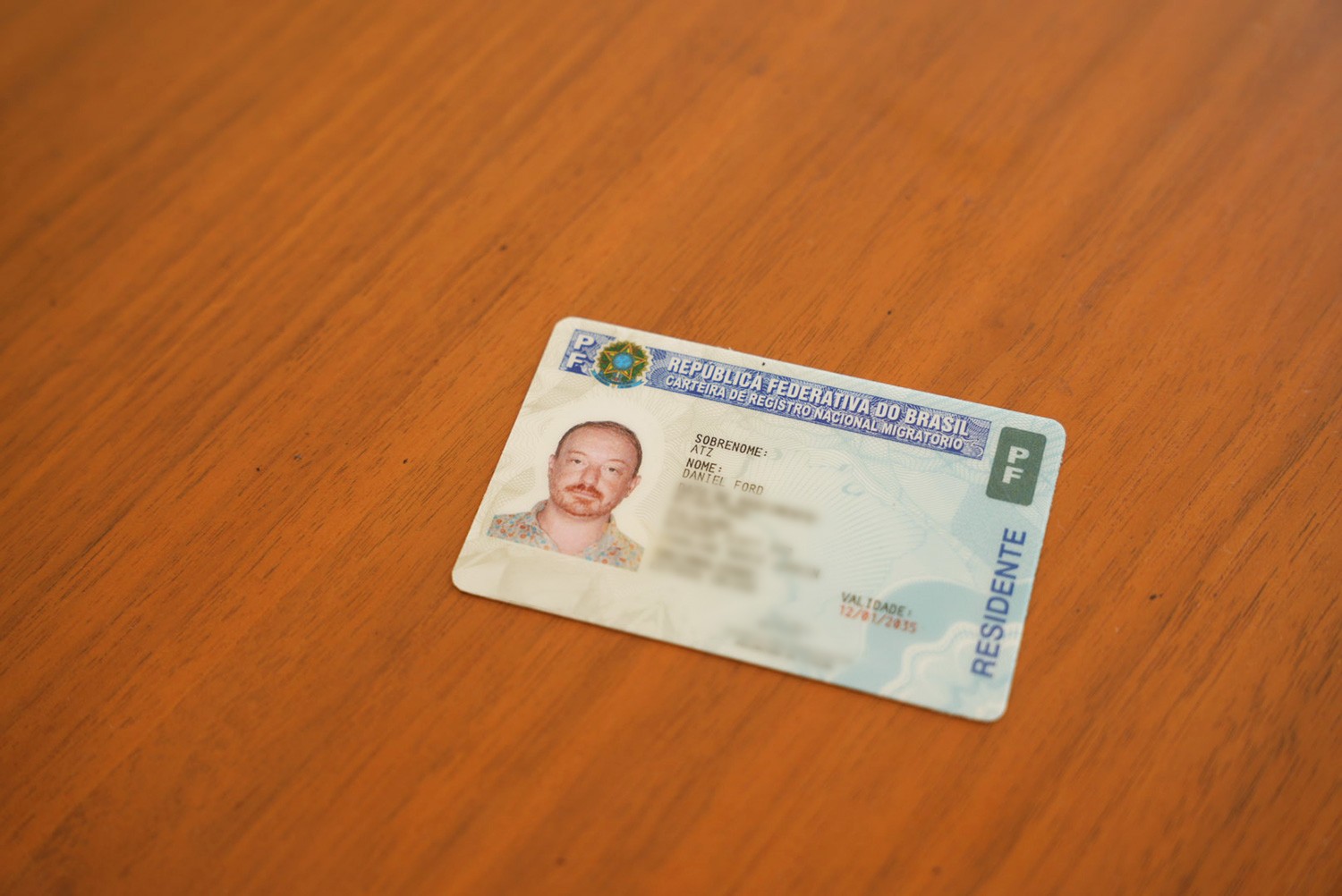
Practical Implications for Foreign Investors
One thing you should definitely note if you’re coming from the U.S. with the intention to invest in a Brazilian entity: Americans are always exposed to potential double taxation, unless you are shielded by U.S. foreign tax credits.
Furthermore, Brazil taxes global income once you become a resident, unless you perform a formal fiscal exit through the Brazilian Federal Revenue (Receita Federal).
The bottom line? No DTA = greater importance of:
Proper residency planning
Classification of income
Treaty shopping via holding jurisdictions (Delaware, Cayman, Luxembourg)
Why Brazil Has Limited Double Taxation Treaties
In comparison to the DTA networks of other large economies, like the United Kingdom’s network reaching more than 130 countries, people often wonder why Brazil seems to fall short.
The answer is complicated, but Brazil historically used a tax model different from OECD standards, making negotiations difficult. It wasn’t until 2017 that Brazil formally submitted an application to join the OECD.
Modernization is ongoing but relatively slow in Brazil, making it all the more important for U.S. investors with their sights set on Brazil’s innovation scene to be aware of the risk of double taxation.

Practical Implications for Foreign Investors
One thing you should definitely note if you’re coming from the U.S. with the intention to invest in a Brazilian entity: Americans are always exposed to potential double taxation, unless you are shielded by U.S. foreign tax credits.
Furthermore, Brazil taxes global income once you become a resident, unless you perform a formal fiscal exit through the Brazilian Federal Revenue (Receita Federal).
The bottom line? No DTA = greater importance of:
Proper residency planning
Classification of income
Treaty shopping via holding jurisdictions (Delaware, Cayman, Luxembourg)
Why Brazil Has Limited Double Taxation Treaties
In comparison to the DTA networks of other large economies, like the United Kingdom’s network reaching more than 130 countries, people often wonder why Brazil seems to fall short.
The answer is complicated, but Brazil historically used a tax model different from OECD standards, making negotiations difficult. It wasn’t until 2017 that Brazil formally submitted an application to join the OECD.
Modernization is ongoing but relatively slow in Brazil, making it all the more important for U.S. investors with their sights set on Brazil’s innovation scene to be aware of the risk of double taxation.

In Summary
Due to Brazil’s history of using a tax model that deviated from OECD standards, the country’s DTA network is pretty limited. Although the United States does not have a double taxation agreement in place with Brazil, there is recognition for the reciprocity of tax treatment.
In any event, U.S. entrepreneurs should be aware of the risk of double taxation that comes with making foreign investments in Brazil startups and entities, especially when it comes to handling income and making plans for future residency.
At StartBrazil.com, we make it possible for interested individuals to start on the pathway to Brazil, whether you are focused on a specific Brazilian startup company or are looking for a place to relocate with diversification potential. Contact us today to learn more about the possibilities that await in this future-focused country.
Sources & Further Reading
In Summary
Due to Brazil’s history of using a tax model that deviated from OECD standards, the country’s DTA network is pretty limited. Although the United States does not have a double taxation agreement in place with Brazil, there is recognition for the reciprocity of tax treatment.
In any event, U.S. entrepreneurs should be aware of the risk of double taxation that comes with making foreign investments in Brazil startups and entities, especially when it comes to handling income and making plans for future residency.
At StartBrazil.com, we make it possible for interested individuals to start on the pathway to Brazil, whether you are focused on a specific Brazilian startup company or are looking for a place to relocate with diversification potential. Contact us today to learn more about the possibilities that await in this future-focused country.
Sources & Further Reading
In Summary
Due to Brazil’s history of using a tax model that deviated from OECD standards, the country’s DTA network is pretty limited. Although the United States does not have a double taxation agreement in place with Brazil, there is recognition for the reciprocity of tax treatment.
In any event, U.S. entrepreneurs should be aware of the risk of double taxation that comes with making foreign investments in Brazil startups and entities, especially when it comes to handling income and making plans for future residency.
At StartBrazil.com, we make it possible for interested individuals to start on the pathway to Brazil, whether you are focused on a specific Brazilian startup company or are looking for a place to relocate with diversification potential. Contact us today to learn more about the possibilities that await in this future-focused country.
Sources & Further Reading
You might also like…

Startups
Brazil’s Double Taxation Treaties: Where They Exist, and Where They Don’t
Jan 14, 2026

Daniel ATZ

Startups
Brazil’s Double Taxation Treaties: Where They Exist, and Where They Don’t
Jan 14, 2026

Daniel ATZ

Startups
Brazil’s Double Taxation Treaties: Where They Exist, and Where They Don’t
Jan 14, 2026

Daniel ATZ

Life in Brazil
A Founder’s Story
Jan 13, 2026

Daniel ATZ

Life in Brazil
A Founder’s Story
Jan 13, 2026

Daniel ATZ

Life in Brazil
A Founder’s Story
Jan 13, 2026

Daniel ATZ