
Published Jan 12, 2026
How Venture Capital Works in Brazil: A Practical Guide for U.S. Investors
Brazil is home to the number one startup market in South America (nearly 3,000 startup businesses) – representing nearly half of all of the continent’s startups and valued at over $1 billion for its unicorns. The country is home to household names like Nubank, the real estate-focused QuintoAndar, iFood, C6 Bank, and QI Tech. And despite this clearly growing market, many U.S. investors are still not aware of why they might enter this ecosystem or what it takes to do so.
The reality is that Brazil’s venture capital landscape is much more familiar than most Americans expect, with internationally active funds and clear pathways for foreign investors.
This guide breaks down how venture capital actually works in Brazil and what U.S. angels and funds need to know when considering short- or long-term diversification in Brazil.
Brazil is home to the number one startup market in South America (nearly 3,000 startup businesses) – representing nearly half of all of the continent’s startups and valued at over $1 billion for its unicorns. The country is home to household names like Nubank, the real estate-focused QuintoAndar, iFood, C6 Bank, and QI Tech. And despite this clearly growing market, many U.S. investors are still not aware of why they might enter this ecosystem or what it takes to do so.
The reality is that Brazil’s venture capital landscape is much more familiar than most Americans expect, with internationally active funds and clear pathways for foreign investors.
This guide breaks down how venture capital actually works in Brazil and what U.S. angels and funds need to know when considering short- or long-term diversification in Brazil.
Brazil is home to the number one startup market in South America (nearly 3,000 startup businesses) – representing nearly half of all of the continent’s startups and valued at over $1 billion for its unicorns. The country is home to household names like Nubank, the real estate-focused QuintoAndar, iFood, C6 Bank, and QI Tech. And despite this clearly growing market, many U.S. investors are still not aware of why they might enter this ecosystem or what it takes to do so.
The reality is that Brazil’s venture capital landscape is much more familiar than most Americans expect, with internationally active funds and clear pathways for foreign investors.
This guide breaks down how venture capital actually works in Brazil and what U.S. angels and funds need to know when considering short- or long-term diversification in Brazil.


The Structure of Brazilian Startup Rounds
Fundraising in Brazil’s innovation scene mirrors the U.S. in several important ways.
Pre-Seed and Seed
In Brazil, you see funding at the pre-seed & seed stages, including:
Angel investors
Micro-VCs (such as the leading Bossanova Investimentos)
Early-stage funds (Canary, DOMO, Astella, Norte)
Series A/B Rounds
Brazil, like the United States, also has Series A and B rounds for funding startups. The major Latin American players include Kaszek, Canary, DOMO Invest, Monashees, and Redpoint eVentures.
Growth Stage
Additionally, Brazil startups see international crossover funds. For example, SoftBank’s LatAm Fund remains influential; United States startup business often get venture capital here, too.
Funding Tools
Typical instruments involved include the following:
Convertible notes or mútuo conversível (short-term loans in the early stages)
Preferred equity rounds (often in later stages)
Note that, although SAFEs are widely used in U.S. fundraising, a proper SAFE equivalent doesn’t exist under Brazilian law. Therefore, Brazil startup organizers sometimes use alternative convertible tools like the MISTO template in order to meet Brazil-specific regulatory requirements.
The Structure of Brazilian Startup Rounds
Fundraising in Brazil’s innovation scene mirrors the U.S. in several important ways.
Pre-Seed and Seed
In Brazil, you see funding at the pre-seed & seed stages, including:
Angel investors
Micro-VCs (such as the leading Bossanova Investimentos)
Early-stage funds (Canary, DOMO, Astella, Norte)
Series A/B Rounds
Brazil, like the United States, also has Series A and B rounds for funding startups. The major Latin American players include Kaszek, Canary, DOMO Invest, Monashees, and Redpoint eVentures.
Growth Stage
Additionally, Brazil startups see international crossover funds. For example, SoftBank’s LatAm Fund remains influential; United States startup business often get venture capital here, too.
Funding Tools
Typical instruments involved include the following:
Convertible notes or mútuo conversível (short-term loans in the early stages)
Preferred equity rounds (often in later stages)
Note that, although SAFEs are widely used in U.S. fundraising, a proper SAFE equivalent doesn’t exist under Brazilian law. Therefore, Brazil startup organizers sometimes use alternative convertible tools like the MISTO template in order to meet Brazil-specific regulatory requirements.
The Structure of Brazilian Startup Rounds
Fundraising in Brazil’s innovation scene mirrors the U.S. in several important ways.
Pre-Seed and Seed
In Brazil, you see funding at the pre-seed & seed stages, including:
Angel investors
Micro-VCs (such as the leading Bossanova Investimentos)
Early-stage funds (Canary, DOMO, Astella, Norte)
Series A/B Rounds
Brazil, like the United States, also has Series A and B rounds for funding startups. The major Latin American players include Kaszek, Canary, DOMO Invest, Monashees, and Redpoint eVentures.
Growth Stage
Additionally, Brazil startups see international crossover funds. For example, SoftBank’s LatAm Fund remains influential; United States startup business often get venture capital here, too.
Funding Tools
Typical instruments involved include the following:
Convertible notes or mútuo conversível (short-term loans in the early stages)
Preferred equity rounds (often in later stages)
Note that, although SAFEs are widely used in U.S. fundraising, a proper SAFE equivalent doesn’t exist under Brazilian law. Therefore, Brazil startup organizers sometimes use alternative convertible tools like the MISTO template in order to meet Brazil-specific regulatory requirements.
Can Foreigners Invest Easily? Yes, Now More Than Ever
Brazil has spent the last decade simplifying foreign investment, with certain legislation worth noting for potential foreign investors from the U.S.
For example, Brazil joined the World Trade Organization’s Investment Facilitation for Development Agreement in early 2024 – an agreement that aims to “simplify operations between countries, provide more predictability for investors, and promote responsible business conduct in international operations,” according to the U.S. Department of State’s 2025 Investment Climate Statements: Brazil.
Foreign investors can invest as individuals or through a U.S. LLC in Brazil. Furthermore, since 2023, registration with Brazil’s Central Bank has been streamlined and is now often handled by legal counsel. Notably, Central Bank Resolution No. 278 changed the previous 30-day requirements (punishable by fine) for Brazilian companies registering foreign direct investments so that the requirement only applies to transactions of $100,000 or greater. This presents a more accessible pathway for smaller startups in particular.
And, Brazil startups frequently use Delaware or Cayman holding companies (“Flip” structures) for global expansion, making U.S. participation straightforward.
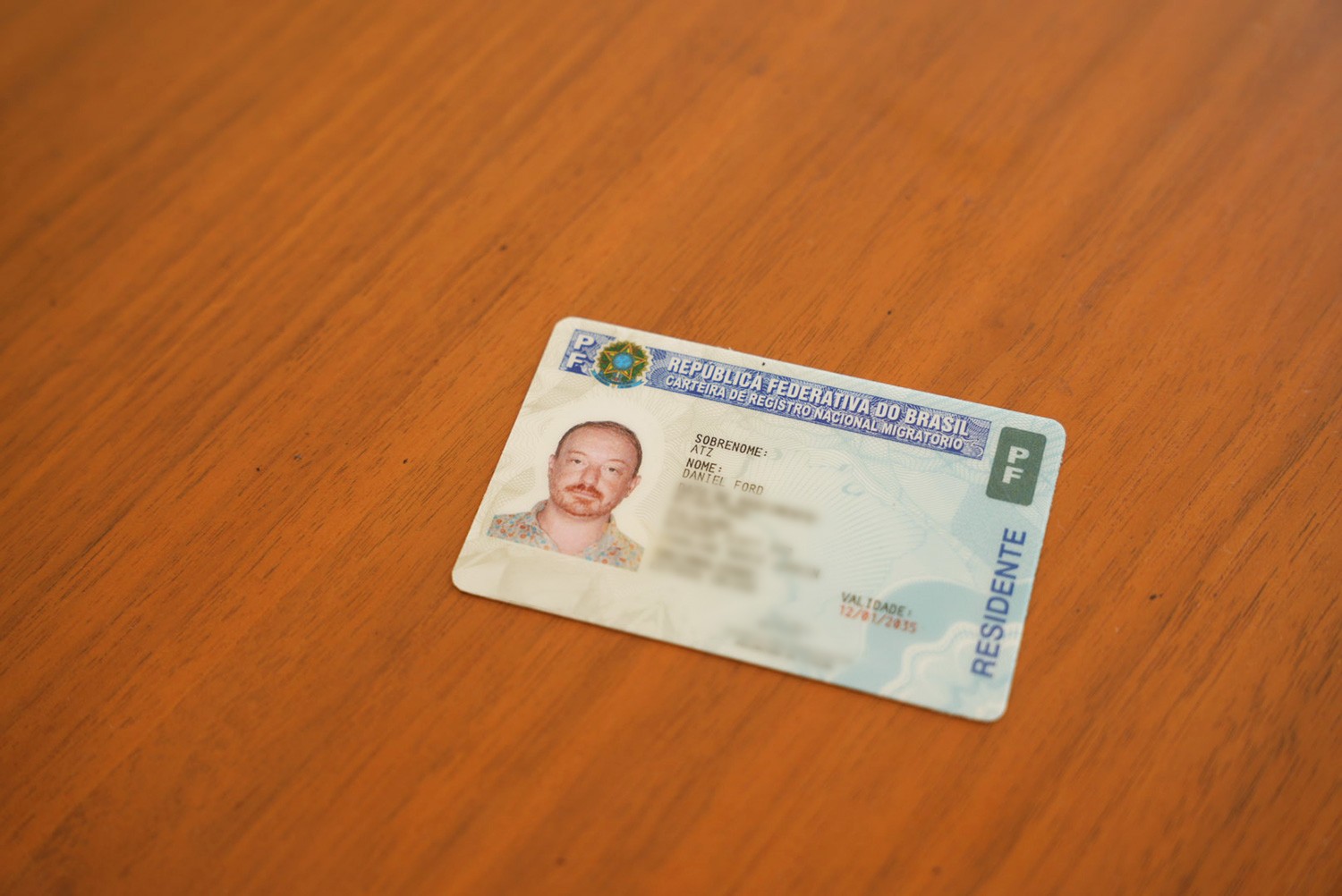
Good news: You do NOT need Brazilian residency or a work visa to invest (though a visa and/or residency permit becomes necessary for more significant investments and startup management).
Can Foreigners Invest Easily? Yes, Now More Than Ever
Brazil has spent the last decade simplifying foreign investment, with certain legislation worth noting for potential foreign investors from the U.S.
For example, Brazil joined the World Trade Organization’s Investment Facilitation for Development Agreement in early 2024 – an agreement that aims to “simplify operations between countries, provide more predictability for investors, and promote responsible business conduct in international operations,” according to the U.S. Department of State’s 2025 Investment Climate Statements: Brazil.
Foreign investors can invest as individuals or through a U.S. LLC in Brazil. Furthermore, since 2023, registration with Brazil’s Central Bank has been streamlined and is now often handled by legal counsel. Notably, Central Bank Resolution No. 278 changed the previous 30-day requirements (punishable by fine) for Brazilian companies registering foreign direct investments so that the requirement only applies to transactions of $100,000 or greater. This presents a more accessible pathway for smaller startups in particular.
And, Brazil startups frequently use Delaware or Cayman holding companies (“Flip” structures) for global expansion, making U.S. participation straightforward.
Good news: You do NOT need Brazilian residency or a work visa to invest (though a visa and/or residency permit becomes necessary for more significant investments and startup management).
Can Foreigners Invest Easily? Yes, Now More Than Ever
Brazil has spent the last decade simplifying foreign investment, with certain legislation worth noting for potential foreign investors from the U.S.
For example, Brazil joined the World Trade Organization’s Investment Facilitation for Development Agreement in early 2024 – an agreement that aims to “simplify operations between countries, provide more predictability for investors, and promote responsible business conduct in international operations,” according to the U.S. Department of State’s 2025 Investment Climate Statements: Brazil.
Foreign investors can invest as individuals or through a U.S. LLC in Brazil. Furthermore, since 2023, registration with Brazil’s Central Bank has been streamlined and is now often handled by legal counsel. Notably, Central Bank Resolution No. 278 changed the previous 30-day requirements (punishable by fine) for Brazilian companies registering foreign direct investments so that the requirement only applies to transactions of $100,000 or greater. This presents a more accessible pathway for smaller startups in particular.
And, Brazil startups frequently use Delaware or Cayman holding companies (“Flip” structures) for global expansion, making U.S. participation straightforward.
Good news: You do NOT need Brazilian residency or a work visa to invest (though a visa and/or residency permit becomes necessary for more significant investments and startup management).
Advantages for U.S. Investors
Lower Valuations, Similar Talent
Brazilian startups often price significantly lower than comparable U.S. rounds without sacrificing when it comes to quality.
Massive Domestic Market
A population of roughly 213 million, along with its high digital adoption and large variety of economic activities, makes Brazil a rare “continental-size” market outside of the United States and China.
Growing Ecosystem Strength
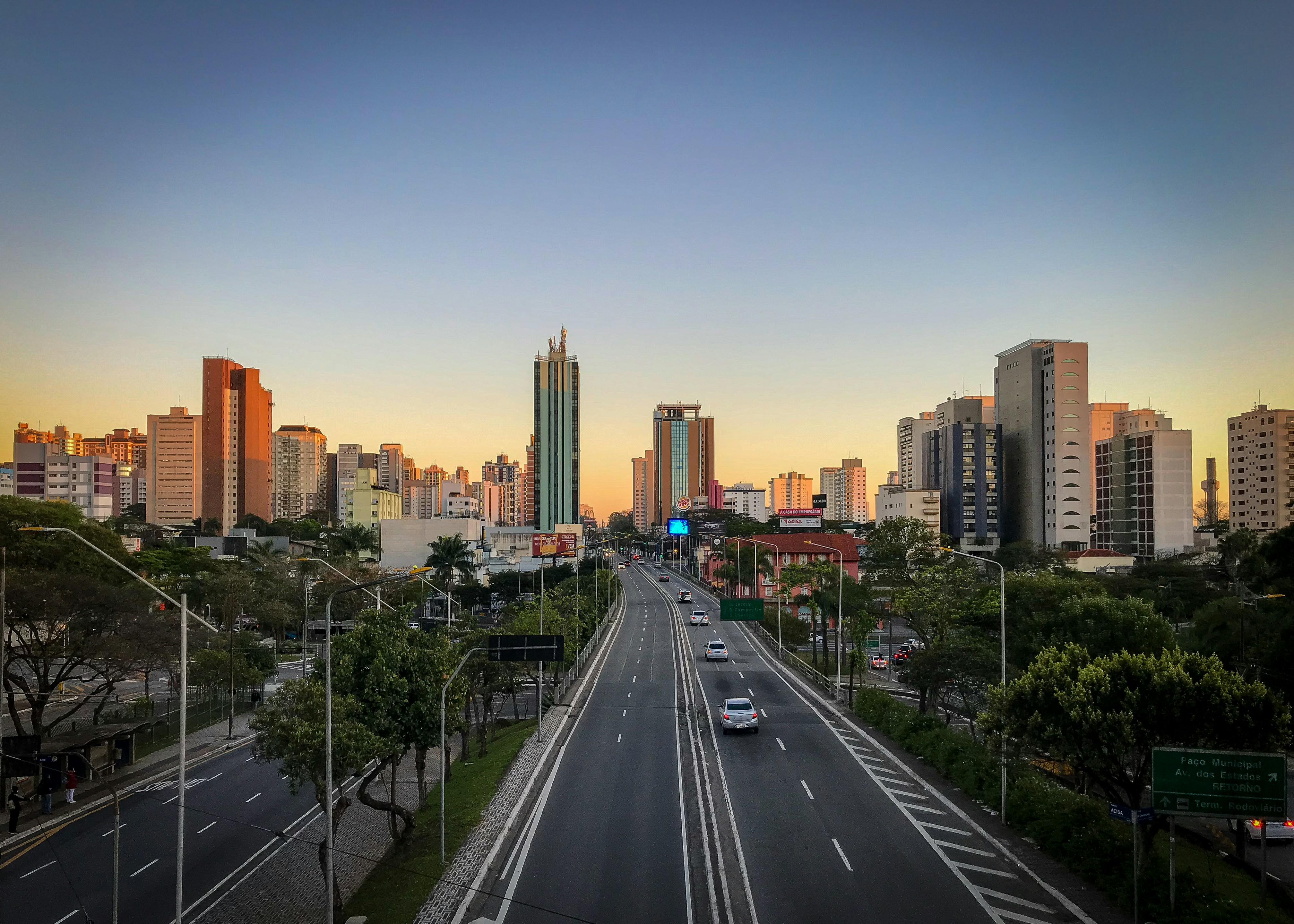
Brazilian startups raise billions each year, and they tend to cluster in strong hubs (São Paulo, Floripa, and Belo Horizonte, among others). They increasingly attract North American and European co-investors.
Lifestyle Advantages
Additionally, foreigners who relocate to Brazil can enjoy benefits outside of the business realm, including Brazil’s vast natural beauty, vibrant local culture, and access to Brazil’s Sistema Único de Saúde (SUS) universal healthcare (provided that you have applied for and received your National Health Identification Number).
Advantages for U.S. Investors
Lower Valuations, Similar Talent
Brazilian startups often price significantly lower than comparable U.S. rounds without sacrificing when it comes to quality.
Massive Domestic Market
A population of roughly 213 million, along with its high digital adoption and large variety of economic activities, makes Brazil a rare “continental-size” market outside of the United States and China.
Growing Ecosystem Strength
Brazilian startups raise billions each year, and they tend to cluster in strong hubs (São Paulo, Floripa, and Belo Horizonte, among others). They increasingly attract North American and European co-investors.
Lifestyle Advantages
Additionally, foreigners who relocate to Brazil can enjoy benefits outside of the business realm, including Brazil’s vast natural beauty, vibrant local culture, and access to Brazil’s Sistema Único de Saúde (SUS) universal healthcare (provided that you have applied for and received your National Health Identification Number).
Advantages for U.S. Investors
Lower Valuations, Similar Talent
Brazilian startups often price significantly lower than comparable U.S. rounds without sacrificing when it comes to quality.
Massive Domestic Market
A population of roughly 213 million, along with its high digital adoption and large variety of economic activities, makes Brazil a rare “continental-size” market outside of the United States and China.
Growing Ecosystem Strength
Brazilian startups raise billions each year, and they tend to cluster in strong hubs (São Paulo, Floripa, and Belo Horizonte, among others). They increasingly attract North American and European co-investors.
Lifestyle Advantages
Additionally, foreigners who relocate to Brazil can enjoy benefits outside of the business realm, including Brazil’s vast natural beauty, vibrant local culture, and access to Brazil’s Sistema Único de Saúde (SUS) universal healthcare (provided that you have applied for and received your National Health Identification Number).


Risks & Mitigation Strategies
It’s important to consider the following associated with Brazil venture capital:
Currency fluctuation: It’s advisable to use hedging or invest in startups geared toward export revenue.
Regulatory complexity: Work with counsel that understands tech and foreign participation.
Governance: Prioritize startups that have international-standard data rooms and reporting.
Bottom Line
Brazil’s venture capital environment is mature, structured, and increasingly global. With prepared legal support and the right partners, U.S. investors can participate as easily as in any major emerging market, and often with a significantly higher potential upside.
At StartBrazil, we work to help interested foreigners find their pathway to Brazil’s startup scene. Take the first step today by contacting us and learn more about the process through one of our experts.
Risks & Mitigation Strategies
It’s important to consider the following associated with Brazil venture capital:
Currency fluctuation: It’s advisable to use hedging or invest in startups geared toward export revenue.
Regulatory complexity: Work with counsel that understands tech and foreign participation.
Governance: Prioritize startups that have international-standard data rooms and reporting.
Bottom Line
Brazil’s venture capital environment is mature, structured, and increasingly global. With prepared legal support and the right partners, U.S. investors can participate as easily as in any major emerging market, and often with a significantly higher potential upside.
At StartBrazil, we work to help interested foreigners find their pathway to Brazil’s startup scene. Take the first step today by contacting us and learn more about the process through one of our experts.

Risks & Mitigation Strategies
It’s important to consider the following associated with Brazil venture capital:
Currency fluctuation: It’s advisable to use hedging or invest in startups geared toward export revenue.
Regulatory complexity: Work with counsel that understands tech and foreign participation.
Governance: Prioritize startups that have international-standard data rooms and reporting.
Bottom Line
Brazil’s venture capital environment is mature, structured, and increasingly global. With prepared legal support and the right partners, U.S. investors can participate as easily as in any major emerging market, and often with a significantly higher potential upside.
At StartBrazil, we work to help interested foreigners find their pathway to Brazil’s startup scene. Take the first step today by contacting us and learn more about the process through one of our experts.
Sources & Further Reading
Fintech News Network: Brazil’s Top Fintech Startups and Unicorns
Visible: 7 Prominent Venture Capital Firms in Brazil in 2025
Visible: 7 Best Venture Capital Firms in Latin America in 2025
Nomad Capitalist: Brazil Venture Capital: Top Startups and VC Funds
Carta: Understanding MISTO convertible instruments for Brazilian startup fundraising
U.S. Department of State: 2025 Investment Climate Statements: Brazil
Brazil Counsel: Central Bank Eases Declaration Requirements for Foreign Investors
Banco Central Do Brasil: BCB Resolution No. 278 of 12/31/2022
Sources & Further Reading
Fintech News Network: Brazil’s Top Fintech Startups and Unicorns
Visible: 7 Prominent Venture Capital Firms in Brazil in 2025
Visible: 7 Best Venture Capital Firms in Latin America in 2025
Nomad Capitalist: Brazil Venture Capital: Top Startups and VC Funds
Carta: Understanding MISTO convertible instruments for Brazilian startup fundraising
U.S. Department of State: 2025 Investment Climate Statements: Brazil
Brazil Counsel: Central Bank Eases Declaration Requirements for Foreign Investors
Banco Central Do Brasil: BCB Resolution No. 278 of 12/31/2022
Sources & Further Reading
Fintech News Network: Brazil’s Top Fintech Startups and Unicorns
Visible: 7 Prominent Venture Capital Firms in Brazil in 2025
Visible: 7 Best Venture Capital Firms in Latin America in 2025
Nomad Capitalist: Brazil Venture Capital: Top Startups and VC Funds
Carta: Understanding MISTO convertible instruments for Brazilian startup fundraising
U.S. Department of State: 2025 Investment Climate Statements: Brazil
Brazil Counsel: Central Bank Eases Declaration Requirements for Foreign Investors
Banco Central Do Brasil: BCB Resolution No. 278 of 12/31/2022
You might also like…

Life in Brazil
A Founder’s Story
Jan 13, 2026

Daniel ATZ

Life in Brazil
A Founder’s Story
Jan 13, 2026

Daniel ATZ

Life in Brazil
A Founder’s Story
Jan 13, 2026

Daniel ATZ

Startups
How Venture Capital Works in Brazil: A Practical Guide for U.S. Investors
Jan 12, 2026

Daniel ATZ

Startups
How Venture Capital Works in Brazil: A Practical Guide for U.S. Investors
Jan 12, 2026

Daniel ATZ

Startups
How Venture Capital Works in Brazil: A Practical Guide for U.S. Investors
Jan 12, 2026

Daniel ATZ