

Ready To Start Your Journey to Brazil?
Begin your path to Brazilian residency with expert guidance, vetted opportunities, and a transparent step-by-step process.


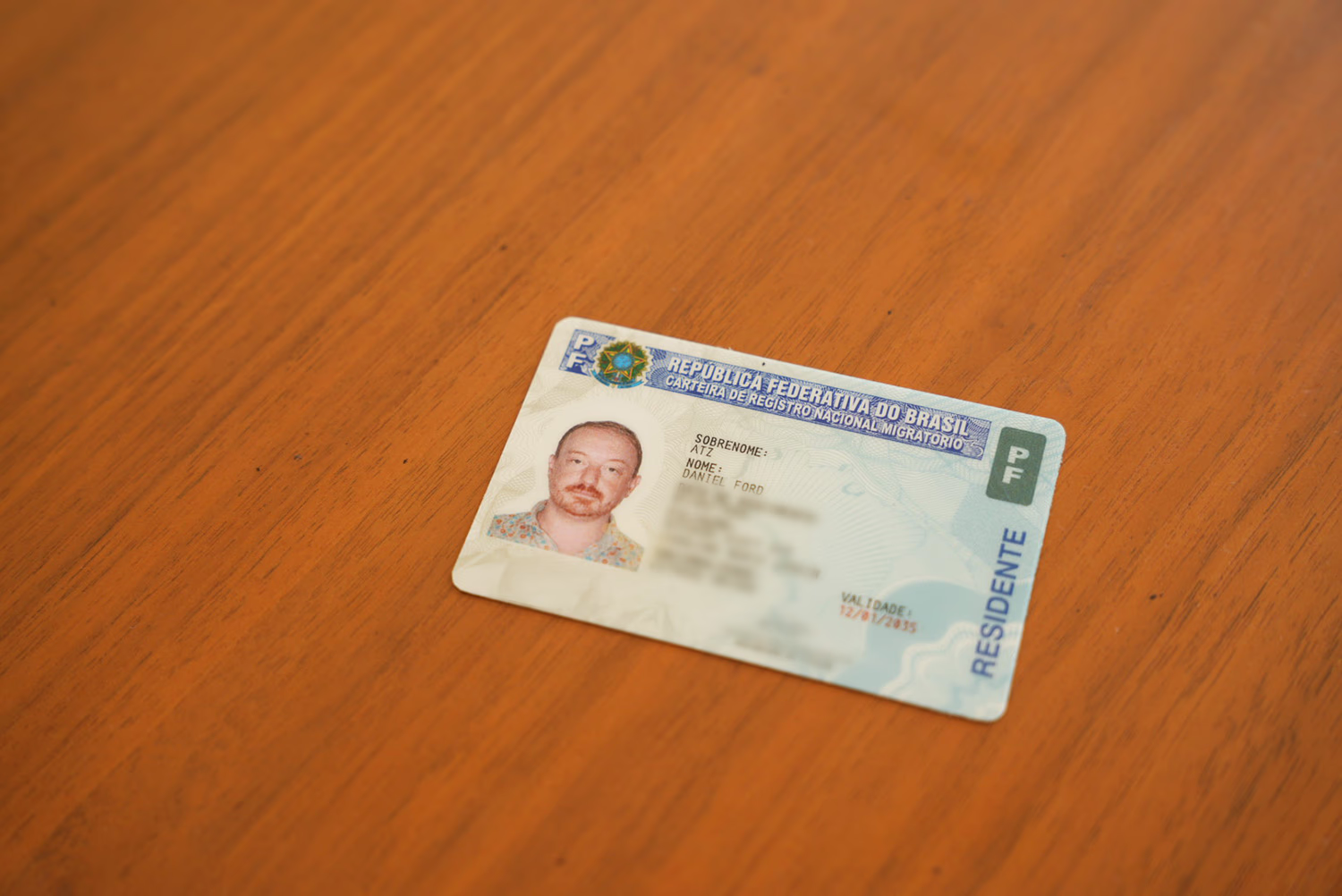
This article is a follow up to my story about why I chose Brazil and decided to launch StartBrazil which I wrote back in December 2025, before I had obtained my permanent residency. You can read that first article here.
January 2nd, 2026 is a date I will remember for the rest of my life.
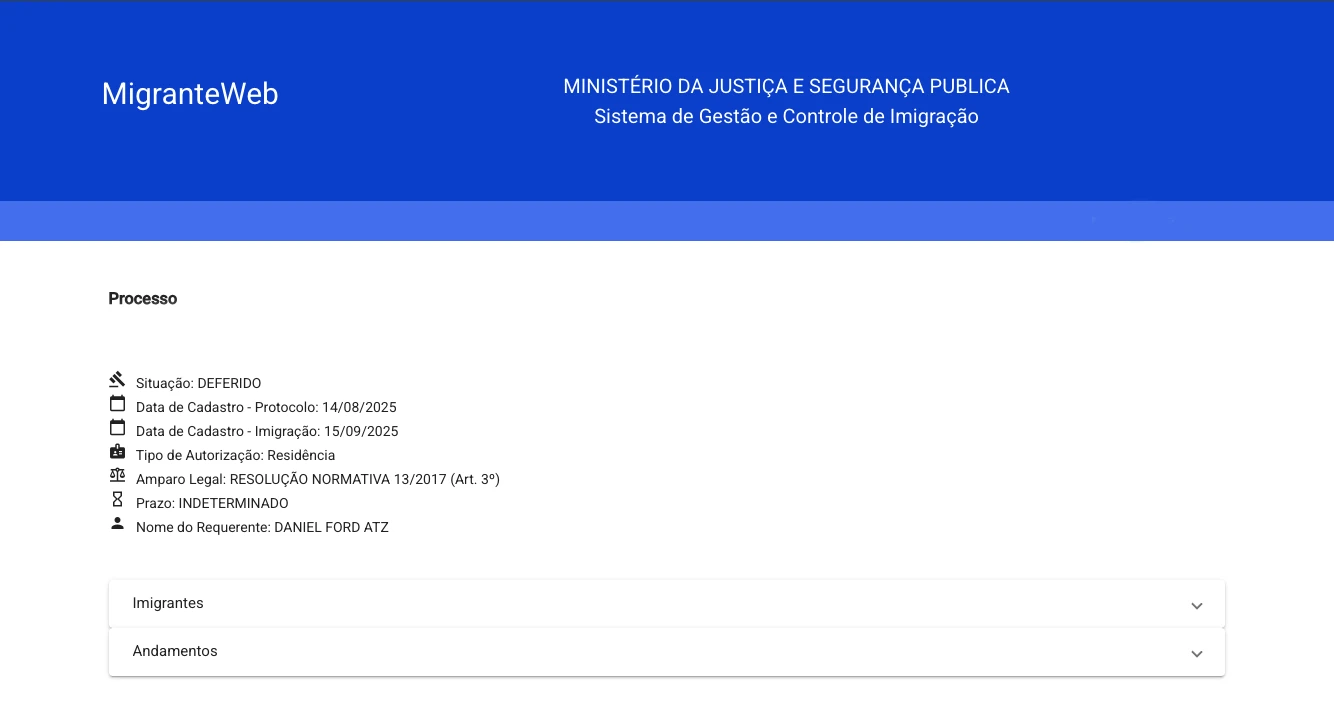
That morning, I was returning to New York from Mexico City. About fifteen minutes before we started boarding, the airport terminal went silent, then every phone erupted with sirens, and the floor started shaking, a 6.3 magnitude earthquake struck off the Pacific coast. It was a new experience for me, but our flight was barely delayed. By the time I got home, I was exhausted. But on a whim, I pulled up the Brazilian government’s public tracking system for my residency application.
I couldn’t have imagined anything would happen the day after New Year’s, but it was a Friday after all, so in theory a work day. I almost exited the page when I read the updates again. There was an entry from January 2nd, 2026: “Proposal for Approval.”
I stared at the screen. Five months of bureaucratic back-and-forth, three Requests for Evidence, a last-minute scramble to get a document signed days before Christmas, and I still didn’t have complete confidence that any of this would go through. And there it was. A life-changing moment.
Six hours later, I woke up to news that the United States had launched a military operation in Venezuela. To say I was on an emotional roller coaster was an understatement. I had just got my permanent foothold in South America, and then hours later this. I couldn't stay focused on that, however, because of the particular mechanics of my case, I had to pack my bags right away. My parents asked if I had concerns about traveling to South America with the world as it was. I told them that where I was headed, Florianópolis, was so far south it was only 150 miles closer to Caracas than they were in Omaha, Nebraska. This helped provide some reassurance.
Ten days after that midnight discovery, I was on a plane to Florianópolis. And rightfully so: only a few days after I arrived in Brazil, President Trump banned immigrant visas from 75 countries, including Brazil. This was particularly concerning because investment visas are classified as immigrant visas in the United States, meaning we were now blocking already-qualified foreign investors from entering the country. As someone who had made an investment in Brazil, I worried that Brazil could take reciprocity measures, as is the norm in diplomacy. Getting my registration completed as soon as possible became a critical mission.
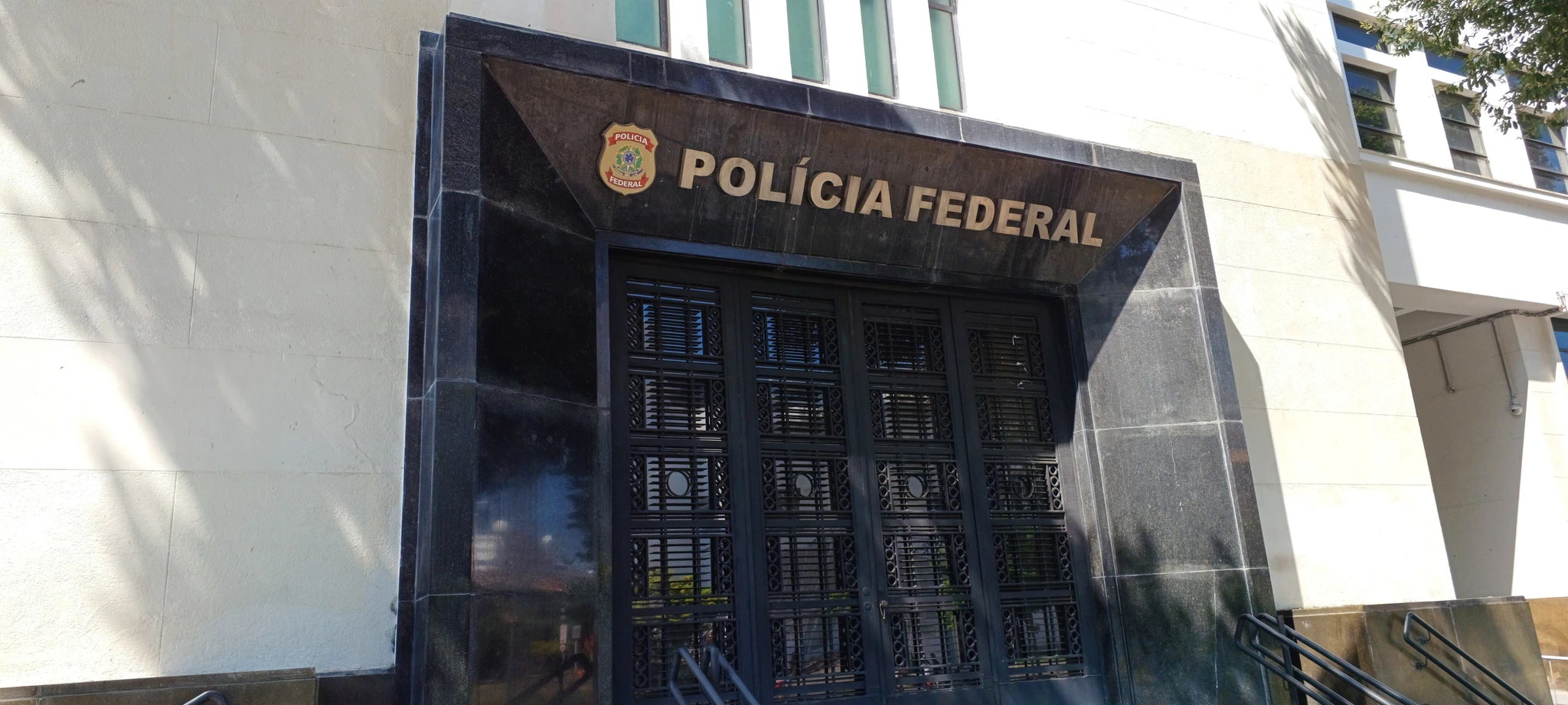
Here is something that wasn’t completely clear to me: approval from the Brazilian Ministry of Justice’s CGIL office, the General-Coordination of Immigrant Labor, is only the beginning. At that stage, you have an approval for residency, but you are not yet a resident and do not have entitlement to rights. Until you physically register with the Federal Police and receive your CRNM resident identity card, akin to the U.S. “Green Card,” you have no formal status.
I chose to set up in Florianópolis because it was already the center of my story in Brazil. What I hadn’t anticipated was a six-month backlog at the local Federal Police office, which handles migratory matters and issues your CRNM. Florianópolis is a magnet for digital nomads, retirees, and regional migrants, and the capacity for registering foreigners was overwhelmed.
I had packed my suitcase for three weeks and still had an apartment back in New York. After weeks of uncertainty about when I might hear back, other Americans who had been through similar situations pointed me to São Paulo. As the largest city in the country with a major international airport, it has the greatest capacity for processing foreigners and the earliest available appointments.
On February 12th, one month after arriving in Brazil, I walked into the Federal Police superintendency in the largest city in the Americas. It was a massive, multi-story building with a line well down the block at 8:30 in the morning. My appointment was at 9:00, and I was glad I arrived early.
Once inside, it was a very structured process, with various windows for organizing your documents and moving you along. After passing through three windows, I walked into a massive waiting room for foreigners registering residency in Brazil. There had to be at least 200 people in the room.
I was called in under an hour. An officer processed my case in under fifteen minutes. I provided basic documentation, signed two documents, got my fingerprints scanned digitally (the hardest and longest part), made an electronic signature, and took a photo.
After five months of uncertainty, navigating in the dark, and genuine doubt at multiple points about whether any of it would work, twenty minutes and a handshake and it was done. The officer smiled and said “Parabéns.” Congratulations.
She handed me a protocol document, a temporary identity paper that would serve as my legal ID until the permanent CRNM card arrived in about 30 days. With that single piece of paper, everything shifted. I had a document valid until 2035 confirming I was a permanent resident of Brazil.
From the Federal Police building, I took an Uber to the notary’s office to sign a power of attorney for pickup of my CRNM in 30 days, because I would already be out of the country. I could leave and enter Brazil with the protocol document, but once the card itself was issued, I could only re-enter with the physical card. So I would need someone to get it shipped to me abroad.
I am a dual U.S.-EU citizen. I remember what it was like after my citizenship application appointment in Luxembourg in January 2014. Naturally, your first thought after finishing that process is how to really set yourself up in the country, and the first place you think to go is the bank. I was turned away from about a dozen banks in January 2014. FATCA, the U.S. law requiring foreign financial institutions to report American account holders, had made me radioactive. During my years living abroad since the law took effect in 2013, country after country, bank after bank, the answer was always the same: U.S. person? Not worth the compliance burden. Even with the EU passport, it made no difference.
So I wasn’t completely surprised when the first bank, Itaú, turned me away. It wasn’t even because I was a U.S. citizen; it was because they said that due to internal policy, they only accepted the permanent CRNM, not the protocol.
The second bank, Bradesco, accepted my protocol. It was a bureaucratic process that required getting a number and moving from desk to desk, but everyone was kind and patient. I needed proof of address and the protocol, and other than that, opening the account was a straightforward process of signing contract documents and setting up the app on my phone. They never even asked for my American passport. “That is not an acceptable form of ID here,” they told me.
I want to be honest about what happened next. I got emotional. After seven years of being told no across an entire continent, a Brazilian bank looked at my residency protocol and simply said yes. No special forms, no lengthy compliance interrogation. They took my paper and opened the account.
To anyone who has never dealt with FATCA abroad, this probably sounds trivial. To the Americans reading this who have lived it: you know exactly what I felt. FATCA had played a significant role in this process from the start; moving my investment into Brazil in the first place required considerable compliance paperwork. But now that I was in the system, I was truly in the system.
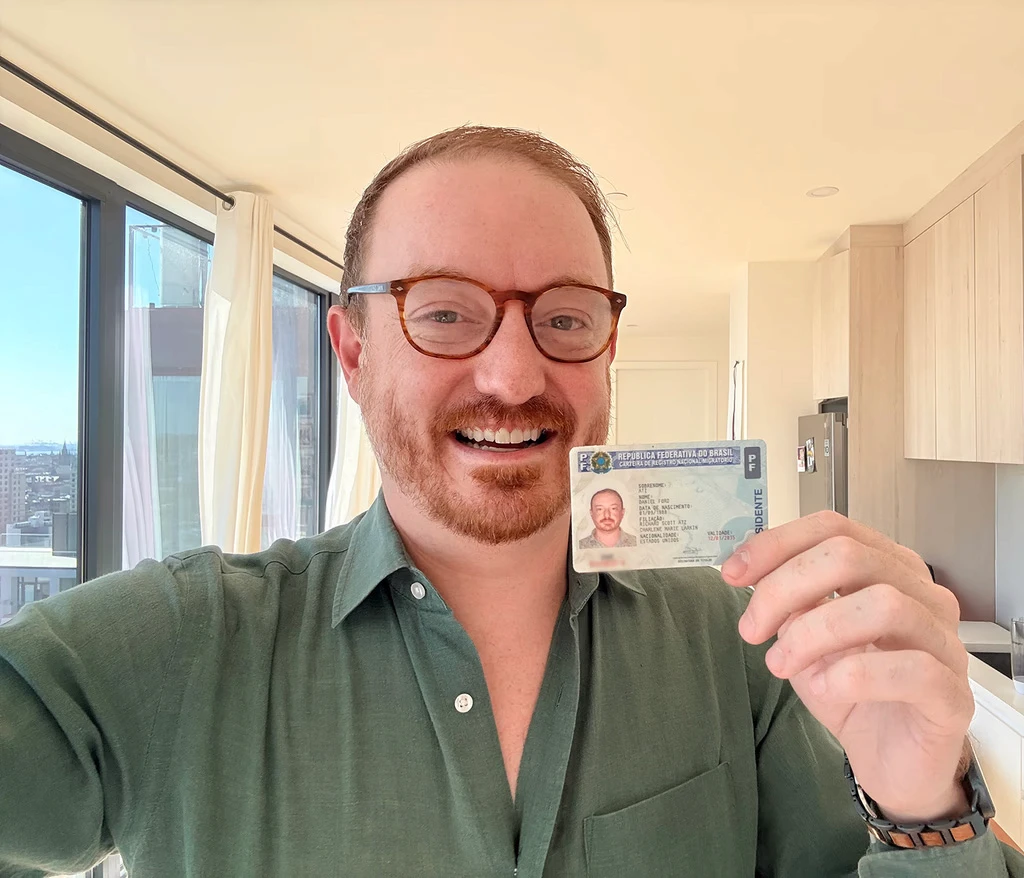
I won’t pretend the process was smooth. But here is what I can tell you from the other side: Brazil’s startup investor residency pathway is real, it works, and what’s waiting on the other side is worth the difficulty of getting there. Fewer than thirty people have obtained it since the route opened in 2018, which means there is very little reliable information out there and a lot of bad advice. That is exactly why StartBrazil exists.
The world in early 2026 looks different than it did a year ago. For Americans in particular, the assumptions that once felt permanent, that your passport would always be the strongest, that borders would always be open to you, that capital could move freely, are being tested in real time. I know because I lived it. The earthquake that rattled the floor in Mexico City that morning was not the only thing that shook my sense of stability in 2026.
If you are an entrepreneur, an investor, or simply someone thinking about what a second residency could mean for your family and your future, look seriously at Brazil. Not because the process is easy. Because what it opens is extraordinary. A bank account when Europe says no. A mortgage when conventional wisdom says impossible. A foothold in the largest economy in Latin America, at a moment when having options is not a luxury but a necessity.
This is not a story about leaving America. It is a story about building a bridge to somewhere else, before you need one.
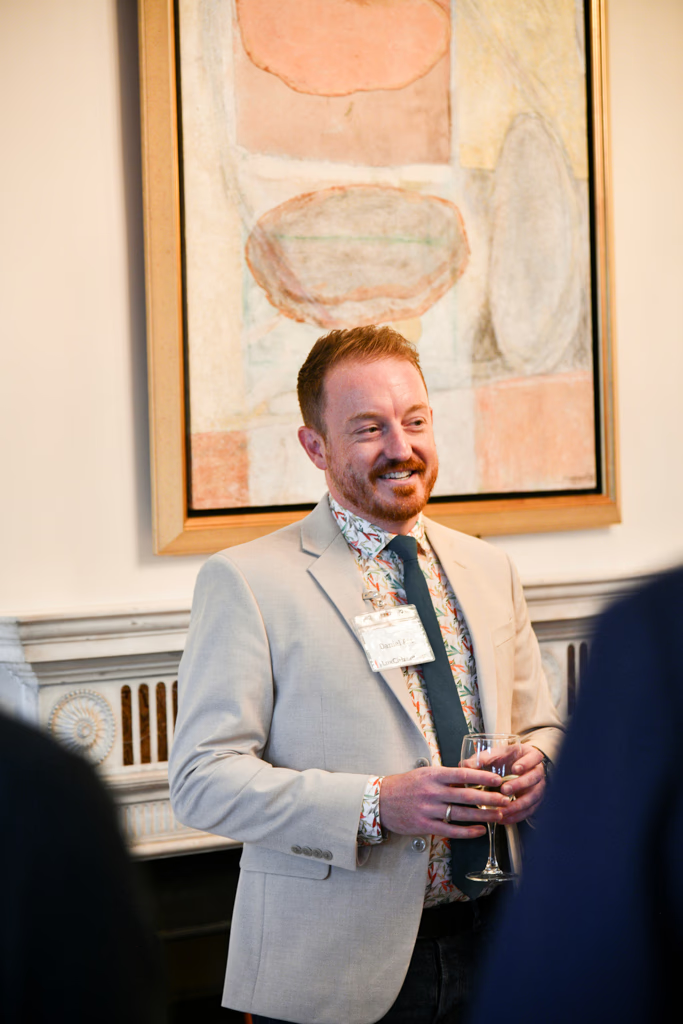
Daniel Atz is the founder of StartBrazil. He is one of the first Americans to complete Brazil’s startup investor permanent residency pathway.